
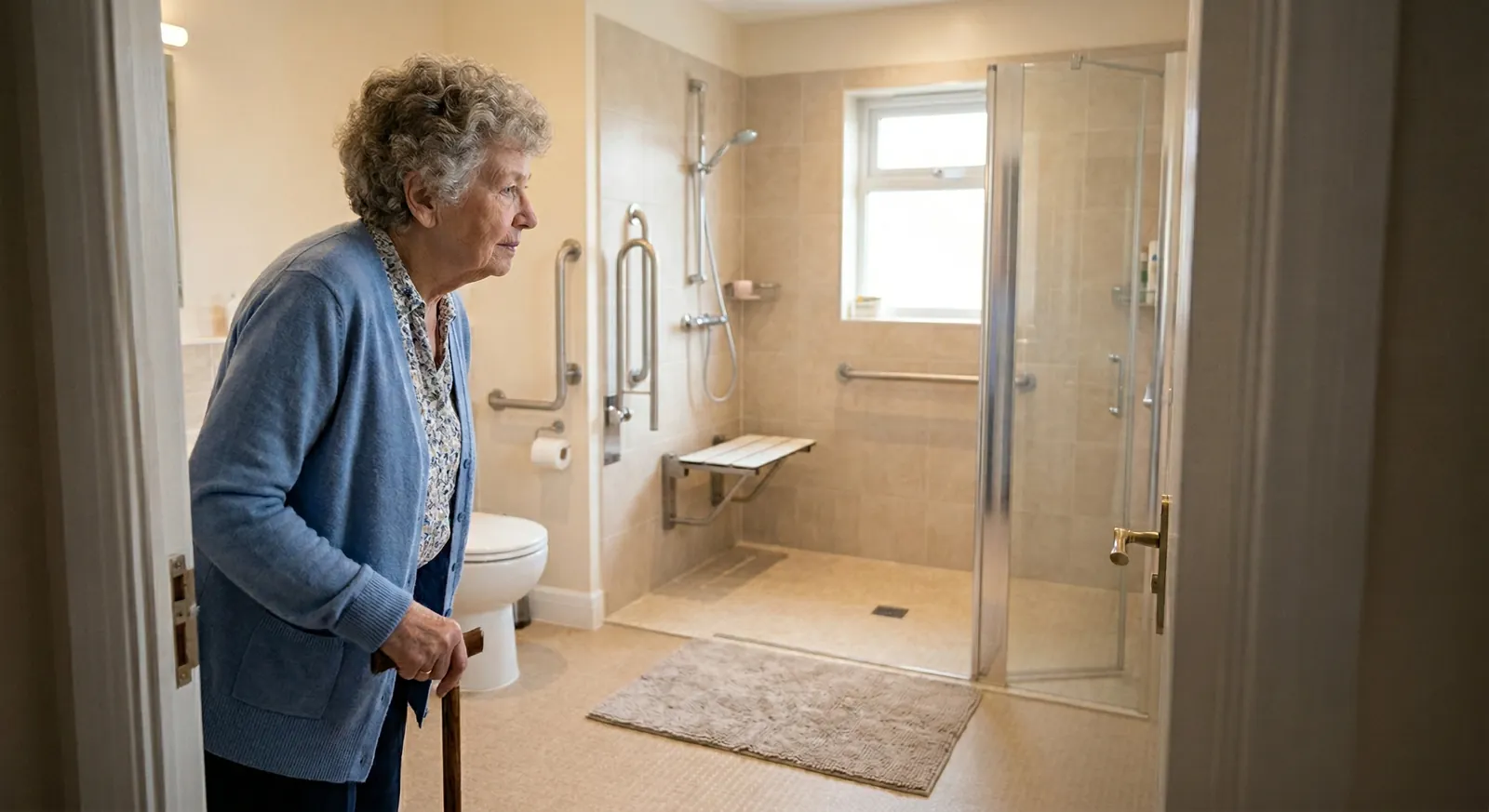
I’ve seen it happen with my grandma. One minute she was okay, and the next, she slipped in the bathroom. She was bruised and scared. Falls are a big cause of injury for older folks. Every year, more than one in four adults over 65 falls. This isn’t just a worry—it’s a big problem. Falls are the top cause of injury-related death in this age group. Death rates from falls went up by 41% from 2012 to 2021. While not every fall is deadly, the aftermath can hurt health and wallets. The CDC says falls cost $50 billion each year in medical bills. In my experience, no room is riskier than the bathroom. Though it causes fewer falls, bathroom slips often lead to serious injuries. Knowing why bathrooms are so risky for older adults and learning how to cut these risks is key for healthcare providers, especially those in small practices.
The Numbers Behind Bathroom Falls
The numbers are clear: bathrooms are danger zones. A study found 17% of injurious falls among older adults happen in bathrooms. This is compared to just 8% of non-injurious falls. This shows that while bathrooms aren’t the most common place for falls, they are where falls are more likely to cause serious harm. According to NEISS-AIP data from 2008, 81% of nonfatal bathroom injuries treated in emergency rooms were due to falls. For older adults, these accidents often happen when getting in or out of a tub or shower or during toilet use.
The economic impact is huge. Falls lead to about 3 million emergency room visits and around 1 million hospital stays each year. From 2016 to 2018, these incidents cost about $19.2 billion. As more people age, these numbers will likely go up, stretching our healthcare systems even more.
A Closer Look at Injury Types
Bathroom falls can cause a range of injuries, from minor to severe. Hip fractures are among the most worrying. They take a long time to heal and can lead to problems. Head injuries are also common, especially when falls happen near hard surfaces like bathtubs or sinks. A 2020 study found that nearly 30% of older adults who fall in the bathroom suffer a head injury. These injuries can lead to thinking problems and need long-term care. I’ve seen this reality too many times in my work.
The Psychological Impact
Beyond physical harm, falls have a big mental impact. Older adults who fall often become scared of falling again. This fear can lead to less physical activity. Less activity weakens muscles and balance, raising the risk of more falls. It’s a bad cycle that can hurt quality of life, leading to loneliness and depression. The fear itself becomes a risk factor, leading to more accidents.
Why Bathrooms Are Risky
Several things make bathrooms dangerous. Hard surfaces like tile and porcelain increase injury risk during a fall. Water on the floor—from a shower, tub, or sink—makes it slippery. Small spaces can make it tough for someone to regain balance or avoid hitting things like the sink, toilet, or bathtub during a fall.
The design of many bathrooms doesn’t help. High tub edges, low toilet seats, and no grab bars are tough for those with mobility issues. These hazards are especially concerning for older adults, who may have less strength and balance and slower reaction times. A 2023 study reviewing past research noted that 50-60% of older adult falls happen at home, with many in bathroom areas. Yet, about 40% of older adults who fall repeatedly haven’t changed their bathrooms. It’s a frustrating reality that needs fixing.
Environmental and Design Challenges
Bathrooms might be small, but their design can vary a lot. Some have awkward layouts that force older adults to move around obstacles. Narrow doorways or poorly placed fixtures can make movement hard. Poor lighting is another issue that can increase fall risk, especially for those with vision problems. Simple changes, like installing brighter bulbs, can make a big difference. Also, color contrast on floors and fixtures can help those with vision difficulties move more safely.
Impact of Cognitive and Physical Decline
As people age, cognitive and physical decline can make bathrooms more hazardous. Conditions like arthritis, osteoporosis, and reduced vision make it harder to move around slippery or cluttered spaces. Cognitive impairments, common in conditions like dementia, can lead to confusion or poor judgment, increasing the risk of accidents. It’s important to consider these factors when assessing bathroom safety.
The Role of Independent Practices in Fall Prevention
Independent doctor practices have a special role in tackling this issue. By teaching patients about fall risks, they can help prevent injuries before they happen. Discussing the specific dangers of bathroom falls with patients is crucial. Use clear communication strategies to highlight the importance of making simple, effective changes to their home environment.
Recommending bathroom changes is one strategy. These changes can greatly reduce the risk of falls and the related costs. However, many older adults may not know about the options available to them or may be hesitant to make changes due to perceived costs or inconvenience. Here, practices can help by providing information, resources, and support.
Education and Resources
Practices can offer workshops or informational sessions focused on fall prevention. These sessions can include demonstrations of safety equipment and testimonials from other patients who have made successful changes. Providing pamphlets or brochures that outline potential changes and their benefits can also be effective. Collaborations with local companies to distribute safety devices or offer installation services could further encourage changes. These partnerships can also provide cost help for those unable to afford changes.
Tailoring Advice to Individual Needs
It’s important for healthcare providers to tailor advice to the specific needs of their patients. Understanding each patient’s living situation, physical condition, and preferences can ensure that recommended changes are both practical and effective. For instance, providers can suggest solutions that fit a patient’s budget or style preferences, making it more likely they will make changes.
3 Simple Fixes for Safer Bathrooms
-
Install Grab Bars: Grab bars provide essential support in key areas like the shower, next to the toilet, and near the bathtub. They help people maintain balance and reduce the chance of falls. Installing these bars is straightforward and cost-effective. Reimbursement for these changes may be available under certain Medicare codes, making them even more accessible.
-
Use Non-Slip Mats: Slippery floors are a common hazard. Placing non-slip mats inside and outside the shower or tub and near the sink can greatly reduce the risk of slipping. These mats are inexpensive and can be found at most home goods stores.
-
Adjust Toilet Height: Low toilets can be hard for older adults to use, increasing the risk of falls when standing up or sitting down. Installing a raised toilet seat or a toilet with adjustable height can make a big difference. This change is often overlooked but can greatly improve safety.
These fixes, while simple, can have a big effect on reducing fall risks. Encouraging patients to make these changes not only improves their safety but can also reduce the potential economic burden on healthcare systems.
Additional Modifications
Beyond the basic fixes, other changes can further enhance safety. Installing a walk-in shower can remove the need to climb over a bathtub edge. Lever-style faucets are easier to use than traditional knobs, which can be hard for those with arthritis. Anti-scald devices can prevent burns from hot water, adding another layer of safety. Adding a shower chair or bench can provide rest and stability for those who struggle with standing for long periods. These changes can also increase comfort and independence for older adults.
The Economic Impact of Bathroom Falls on Healthcare Systems
The costs linked to falls are not just personal; they have a broader economic impact. Emergency room visits, hospital stays, and follow-up treatments strain healthcare resources. As the population continues to age, the financial burden on Medicare and other healthcare systems will increase if preventive measures are not taken.
Practices can play a key role in reducing these costs by promoting preventive strategies. By encouraging patients to modify their bathrooms and reduce fall risks, practices can help decrease the number of fall-related incidents and their associated costs. This proactive approach benefits not only the patients but the healthcare system as a whole.
Long-Term Economic Benefits
Investing in preventive measures can bring long-term economic benefits. By reducing the number of falls, healthcare systems can use resources more efficiently, focusing on other critical areas. Moreover, reducing falls can decrease the need for long-term care facilities, which are costly for both families and the system. This can free up resources for other pressing healthcare needs and reduce overall healthcare spending.
Encouraging Policy Support
To further promote bathroom safety, advocating for policy changes can be influential. Government or insurance incentives for home changes could encourage more widespread adoption of safety measures. By supporting such policies, independent practices can contribute to larger systemic changes that prioritize the safety and well-being of older adults.
Conclusion
Bathrooms may not be the most common place for falls, but they are disproportionately dangerous for older adults. Understanding the specific risks and taking steps to reduce them is essential. By educating patients and recommending simple changes, independent practices can play a crucial role in preventing falls and reducing the associated costs. The benefits of these actions extend beyond individual patients to the healthcare system at large, highlighting the importance of proactive fall prevention strategies.
For independent practices, recommending and facilitating these changes can also be an opportunity to strengthen relationships with patients and show their commitment to patient safety and well-being. By addressing the unique challenges posed by bathroom falls, practices can not only improve patient outcomes but also contribute to a more sustainable healthcare system.
Take Action: Encourage your patients to set up these simple bathroom modifications today. Reduce fall risks and promote safety for older adults. Use Stillwell Health Services to guide and support them through the process.
Brand voice: Plain-spoken, practical, evidence-first. Like a knowledgeable colleague who skips the jargon. Anti-corporate, focused on outcomes for independent practices.
